Brand Building
How to Start a Streetwear Brand: From Idea to First Drop
Most streetwear brands don't fail because of bad designs. They fail because the first drop was too big, too expensive, or built with the wrong factory. This guide walks through the order of operations that actually works, from the idea in your notes app to boxes of finished product at your door.
1. Start with a point of view, not a logo
A logo on a blank hoodie is not a brand. The labels that last have a clear reason to exist: a community they speak for, a visual language people recognise, or a story behind the clothes. Before you design anything, write down in one sentence who you are making clothes for and why they would choose you over the hundred other brands on their feed.
Useful questions to answer first:
- Who is the customer? Age, city, what music they listen to, what they already wear.
- What's the price position? Entry-level, mid-tier, or premium heavyweight pieces.
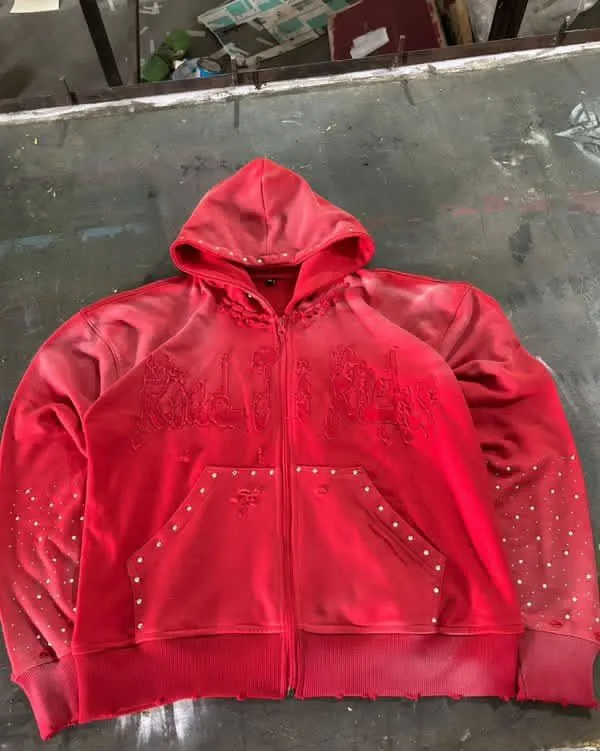
- What's the signature? A graphic style, a wash, a fit, a type of embellishment like puff print or rhinestones.
2. Keep the first drop small and tight
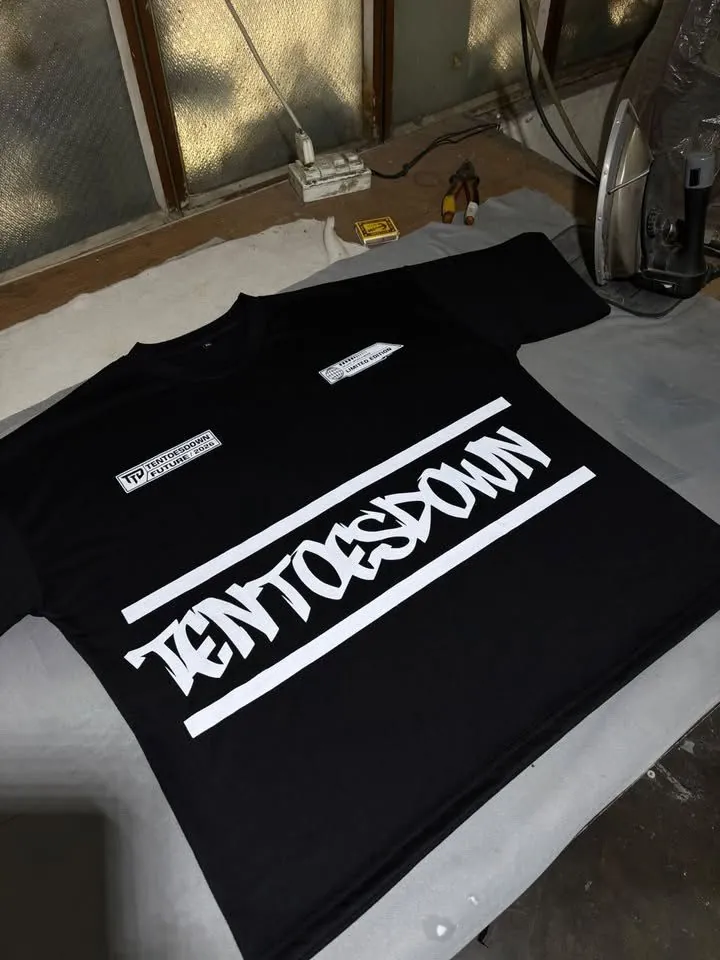
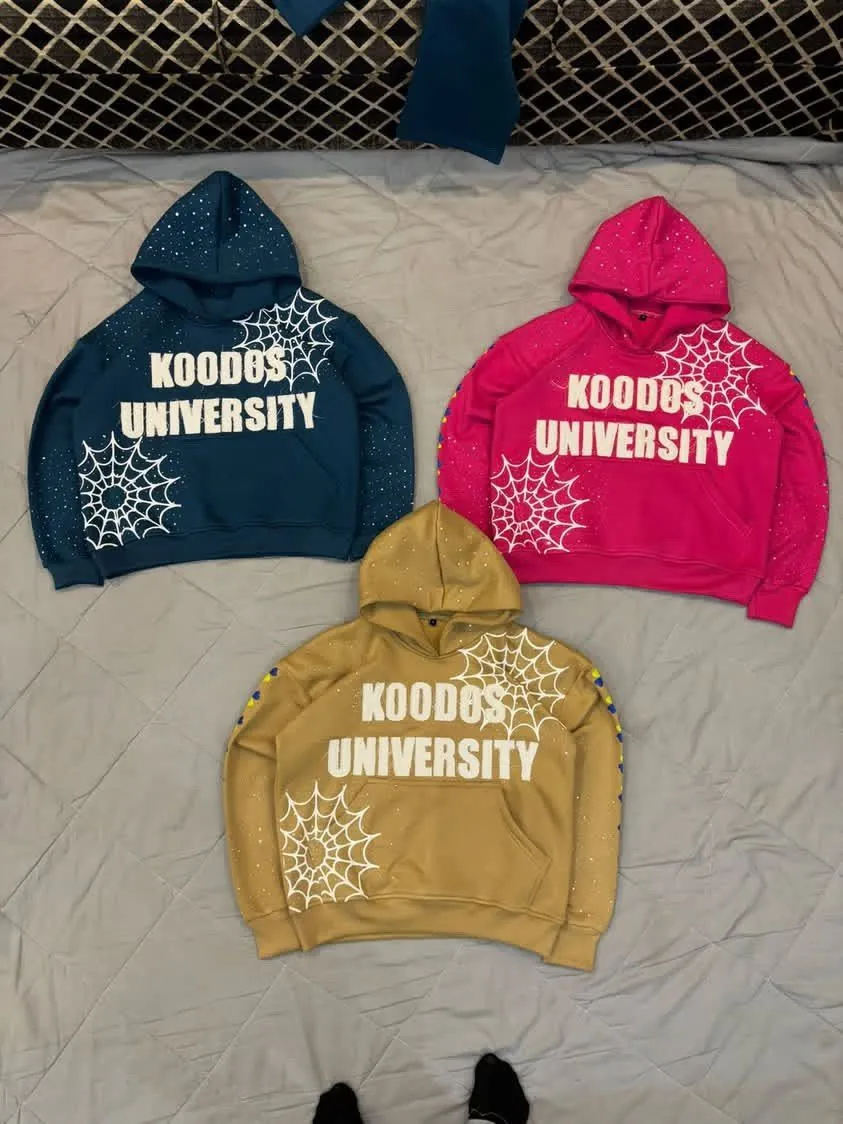
Your first collection is a test, not a catalogue. A strong debut is usually two to four styles: for example, one heavyweight hoodie, one oversized tee and one matching short, in one or two colourways. A tight drop keeps your minimum order quantities manageable, makes the collection look intentional, and gives you cash to reorder what sells.
If you're working with a limited budget, read our guide to low MOQ clothing manufacturing before you plan quantities.
3. Turn designs into a tech pack
A tech pack is the instruction manual a factory uses to build your garment: measurements, fabric, colours, print placement, labels and packaging. A clear tech pack is the single biggest factor in getting samples right the first time. We cover exactly what to include in What Is a Tech Pack?
Don't have one yet? Many manufacturers, including us, can help you spec a garment from sketches and reference photos.
4. Choose your fabric and decoration methods
Fabric weight and decoration define how your product feels in the hand, and that is what customers judge first. Streetwear buyers expect substance: heavyweight fleece hoodies and thick, structured tees. Our heavyweight hoodie GSM guide explains the numbers.
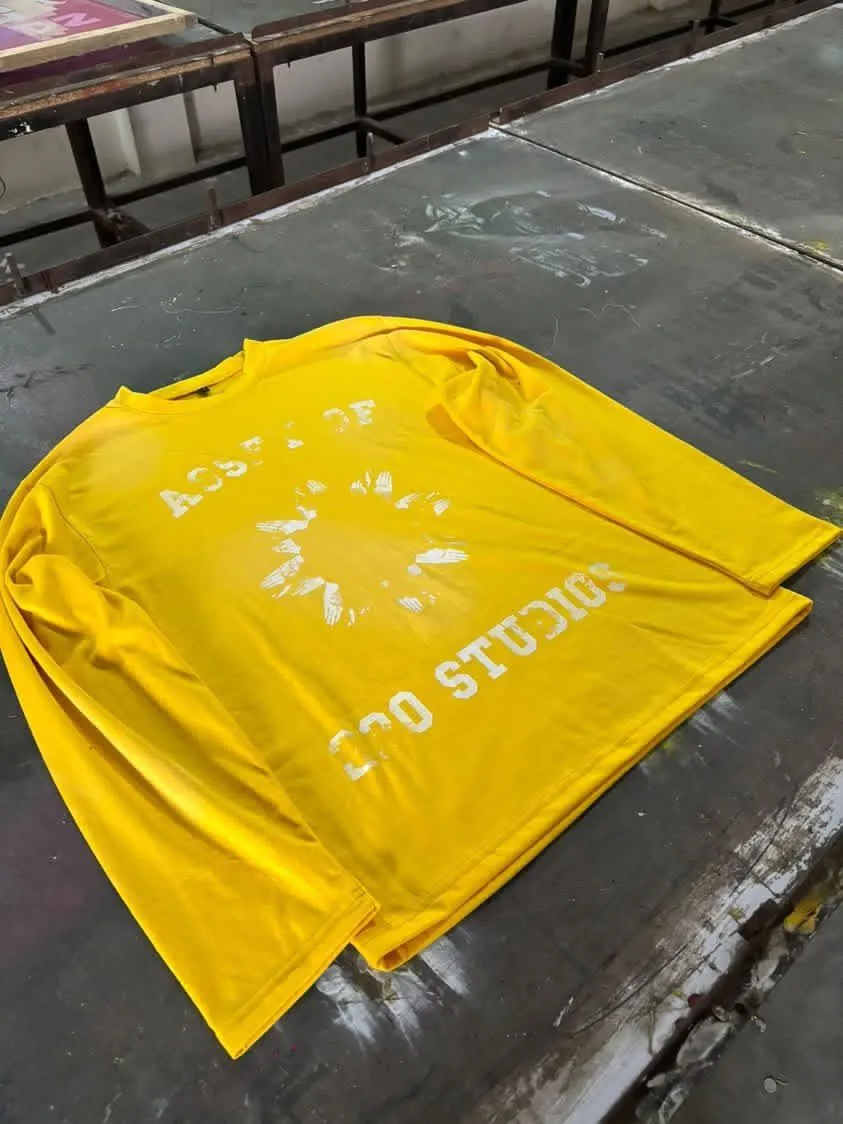
Then pick how your graphics go on. Screen print, puff print, embroidery, DTG and rhinestones all look, feel and cost differently. See Puff Print vs Screen Print vs Embroidery to choose.
5. Find the right manufacturer
Your manufacturer is your most important business partner. Look for a factory that understands streetwear specifically (oversized fits, heavy fabrics, washes and specialty prints) rather than a general uniform or promo supplier. Ask about MOQs, sampling, lead times, in-house capabilities and shipping terms. We put together 12 questions to ask a clothing manufacturer to make this easier.
6. Sample, then sample again
Never go to bulk without approving a physical sample. Check:
- Measurements against your spec sheet (lay the garment flat and measure).
- Fabric weight and handfeel.
- Print colour, size and placement.
- Label, neck print and hang tag details.
- How it looks after a wash.
It's normal to need one or two rounds of revisions. Fixing a problem at sample stage costs a fraction of fixing it after bulk production.
7. Price for profit, not just for sales
Work out your full landed cost per piece: manufacturing, shipping, duties, packaging and payment fees. A common starting point in apparel is to set your retail price at roughly 2.5 to 4 times your landed cost, so there's room for discounts, ads and wholesale later. If the numbers only work at full price with zero marketing spend, rethink the product or the order size.
8. Build hype before the drop
Streetwear sells on anticipation. Start posting before product arrives: behind-the-scenes sample shots, close-ups of fabric and print, countdowns and early-access lists. Seed a few pieces to people your customer already follows. A short email or SMS list of people who asked to be notified will usually outperform cold ads on launch day.
9. Launch, measure and reorder
After launch, look at what sold out first, which sizes ran out, and which colourways sat. Reorder winners quickly while demand is warm, and use what you learned to plan drop two. The brands that grow are the ones that treat every drop as data.
Ready to build your first drop?
Fast Tech Clothing produces private-label hoodies, tees, shorts and full sets with flexible MOQs, in-house printing and finishing, and worldwide shipping. Send us your designs and we'll come back with pricing, MOQ and a lead time.
Frequently asked questions
How much does it cost to start a streetwear brand?
It depends on how many styles and units you order, your fabric and decoration choices, and your marketing budget. Keeping your first drop to two to four styles with a low MOQ manufacturer is the most reliable way to keep start-up costs under control.
How many pieces should my first streetwear drop have?
Most new brands do best with a tight drop of two to four styles in one or two colourways. Order quantities should be based on your audience size and pre-launch interest rather than on what feels impressive.
Do I need a tech pack to start a clothing brand?
A tech pack makes sampling faster and more accurate, but you don't need to create it alone. Many manufacturers can help you spec a garment from sketches, reference photos or an existing piece you like.
How long does it take to launch a streetwear brand?
Plan for several weeks for design and tech packs, then sampling and revisions, then bulk production and shipping. Your manufacturer can give you a lead time once they've seen your designs.